How to plan social media content around holidays
By the Viralyc team7 min read
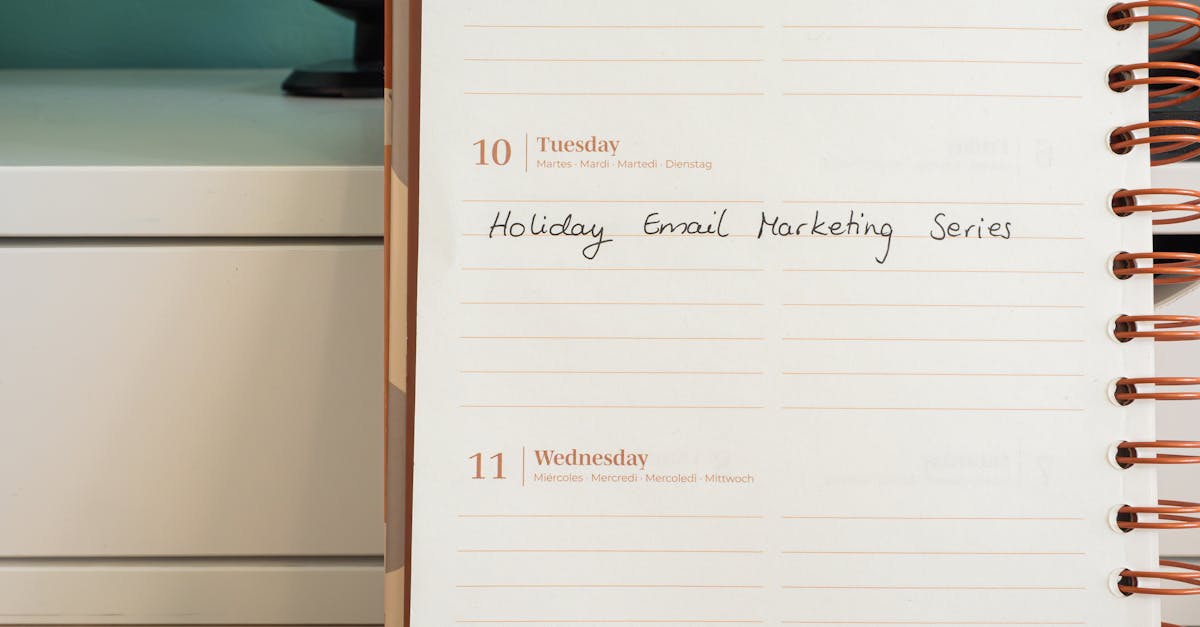
To plan social content around holidays, use a calendar that auto-detects upcoming holidays and lets you mark which to post about and which to skip. Save choices by holiday name so they recur every year, and default solemn or memorial days to no-post unless you opt in.
Why holiday planning matters
Holidays are some of the highest-intent moments of the entire year for social content, which is why they deserve deliberate planning rather than improvisation. On these days people are actively shopping, celebrating, reflecting, and paying far more attention to relevant, timely messages than they do on an ordinary Tuesday. A brand that shows up thoughtfully on the right days captures a wave of attention it simply cannot buy the rest of the year. The trick is planning ahead instead of scrambling the morning of, because the best holiday content needs at least a short runway to feel intentional rather than rushed. Get this right and holidays become predictable, repeatable spikes in reach, engagement, and sales that you can count on quarter after quarter. Get it wrong, by posting late, posting nothing, or striking a tone-deaf note, and you either miss the moment entirely or actively damage trust that took months to build.
Let the calendar find the holidays
Manually tracking every holiday across cultures, religions, and regions is a losing game, and it is precisely how important dates slip past you until it is too late to prepare. Instead of keeping a mental list, enable the holiday calendars that are relevant to your audience and let upcoming dates surface on your content calendar automatically. This ensures you always see what is coming with enough lead time to actually plan something good, and it quietly covers observances you might not personally track. Automatic detection is especially valuable if you serve more than one community or country, since it flags the days each distinct audience genuinely cares about without you maintaining a spreadsheet. The goal is to make sure a major relevant holiday never again catches you off guard, which is the most common and most avoidable holiday-marketing failure for small teams.
Decide post vs block per holiday
Not every holiday fits every brand, and forcing a post onto an irrelevant or mismatched day looks worse than simply staying quiet. Go through the detected holidays and make a clear, deliberate choice on each one: either post about it or block the day entirely. A bakery might happily celebrate every food-related holiday on the calendar, while a law firm sensibly skips almost all of them and marks only a few. This simple per-holiday decision keeps your feed relevant and prevents the awkward, off-brand posts that come from a blanket rule. Making it a considered choice for each holiday, rather than defaulting to posting on all of them or none of them, is exactly what separates a thoughtful content calendar from a generic one that chases every hashtag. It also means your holiday presence reflects your actual brand rather than a template someone else designed.
Handle solemn days with care
Some days call for silence or a somber tone rather than promotion, and getting this wrong is one of the fastest ways to lose goodwill you have earned. Memorial days, days of mourning, and remembrance dates should default to no-post, so that an automated schedule never publishes a cheerful discount code on a solemn morning while you are looking the other way. A well-designed planner blocks these days for you automatically unless you deliberately opt in with appropriate, respectful content. This safety default matters most precisely when you are running on autopilot, because that is exactly the situation where an unsupervised system could otherwise publish something painfully inappropriate at the worst possible moment. Treating solemn days as blocked-by-default is polite, and it is also risk management for any brand that automates its posting, and it is worth confirming your tool handles it this way.
Make choices recur every year
Most holidays move around on the calendar from one year to the next, so saving your decisions against an exact date is a trap that quietly breaks every January and forces you to redo the work. Instead, store your post and block choices by holiday name rather than by date. Set once that you always celebrate a given holiday and always stay quiet on another, and those choices then apply to next year's shifted dates automatically without any rework. This single design choice turns holiday planning from a recurring annual chore into a genuine one-time setup, which is a large part of what makes it sustainable. It also pairs naturally with automated posting, where the system already knows your standing rules and simply executes them each year, quietly preparing the right content for the right days while you focus elsewhere.
Plan campaigns instead of single posts
A big holiday deserves a proper lead-up, not one lonely post on the day itself that most of your audience will scroll past. Plan a short series instead: a teaser roughly a week out to build anticipation and prime your audience, the main offer or message on the day when intent peaks, and a last-chance reminder just after for the people who meant to act and forgot. This three-beat rhythm captures people at different stages of attention and buying intent, and it dramatically outperforms a single isolated post in both reach and conversions. Retailers can lean on this pattern hard around major shopping holidays, as covered in detail in AI social media for e-commerce, but the same structure works for any business with something to promote, celebrate, or invite people to, from a restaurant's holiday menu to a gym's new-year push.
Localize for your market
If you serve more than one country or culture, the relevant holidays differ, and sometimes they do not overlap at all. A brand with audiences in different regions needs its content calendar to reflect the days each group actually observes, not a single default set borrowed from one country. Choose the specific holiday calendars that match each of your markets, so nothing important is missed for one audience and nothing irrelevant clutters the plan for another. This is particularly important for bilingual or cross-border businesses, where a holiday that is absolutely central for one audience may mean nothing to another and would look strange if posted to them. Matching the calendar to the actual audience is what keeps every holiday post relevant and respectful, and it prevents the common mistake of projecting one culture's calendar onto everyone who follows you.
Put holiday planning on autopilot
The strongest possible setup combines automatic holiday detection, a clear per-holiday post or block choice, name-based recurrence so it survives every year, and a planned multi-post lead-up, all running without you rebuilding any of it from scratch each season. Once it is configured, your content calendar quietly prepares for holidays well in advance and faithfully respects the days you chose to stay silent on. That combination means you consistently capture the high-intent moments that drive real results while avoiding the tone-deaf missteps that damage trust, and you do it with almost no ongoing effort after the initial setup. If you want that hands-off holiday planning built directly into your regular posting rather than managed as a separate annual project, see pricing to choose a plan and let the system handle the calendar for you.
Beyond the obvious holidays
The big calendar holidays are only part of the opportunity, and some of the best holiday content comes from the smaller, niche days that fit your business perfectly. Industry-specific and lighthearted observances, from national food days to profession-specific awareness weeks, give you relevant, low-pressure reasons to post that competitors often overlook. A coffee shop leaning into a national coffee day, or a bookkeeping firm marking a small-business awareness week, feels natural and timely rather than forced. The same planning discipline applies: detect the day in advance, decide whether it genuinely fits your brand, and plan a short post or two rather than scrambling. Used well, these secondary days fill the gaps between major holidays with content that feels current and specific, and because your calendar surfaces them automatically, you get the upside without spending your time hunting for them. Blend a few of these into your regular cadence and your feed stays timely all year, well beyond the obvious peak seasons.
Frequently asked
- Will holiday choices repeat next year?
- Yes, if you store choices by holiday name rather than by date. The dates shift each year, but your post or block decision carries forward automatically, so you set it once and it applies every year.
- Should I post on every holiday?
- No. Post on holidays that fit your brand and audience, and block days that do not, including solemn or memorial days by default. A deliberate per-holiday choice beats posting on all or none.
- How far ahead should I plan holiday content?
- Plan a short lead-up for major holidays: a teaser about a week out, the main post on the day, and a reminder just after, rather than a single post on the day itself.
- How do I handle holidays for audiences in different countries?
- Enable the holiday calendars for each market you serve so the plan reflects the days each audience observes. This keeps content relevant for cross-border and bilingual brands and avoids missing key regional dates.